

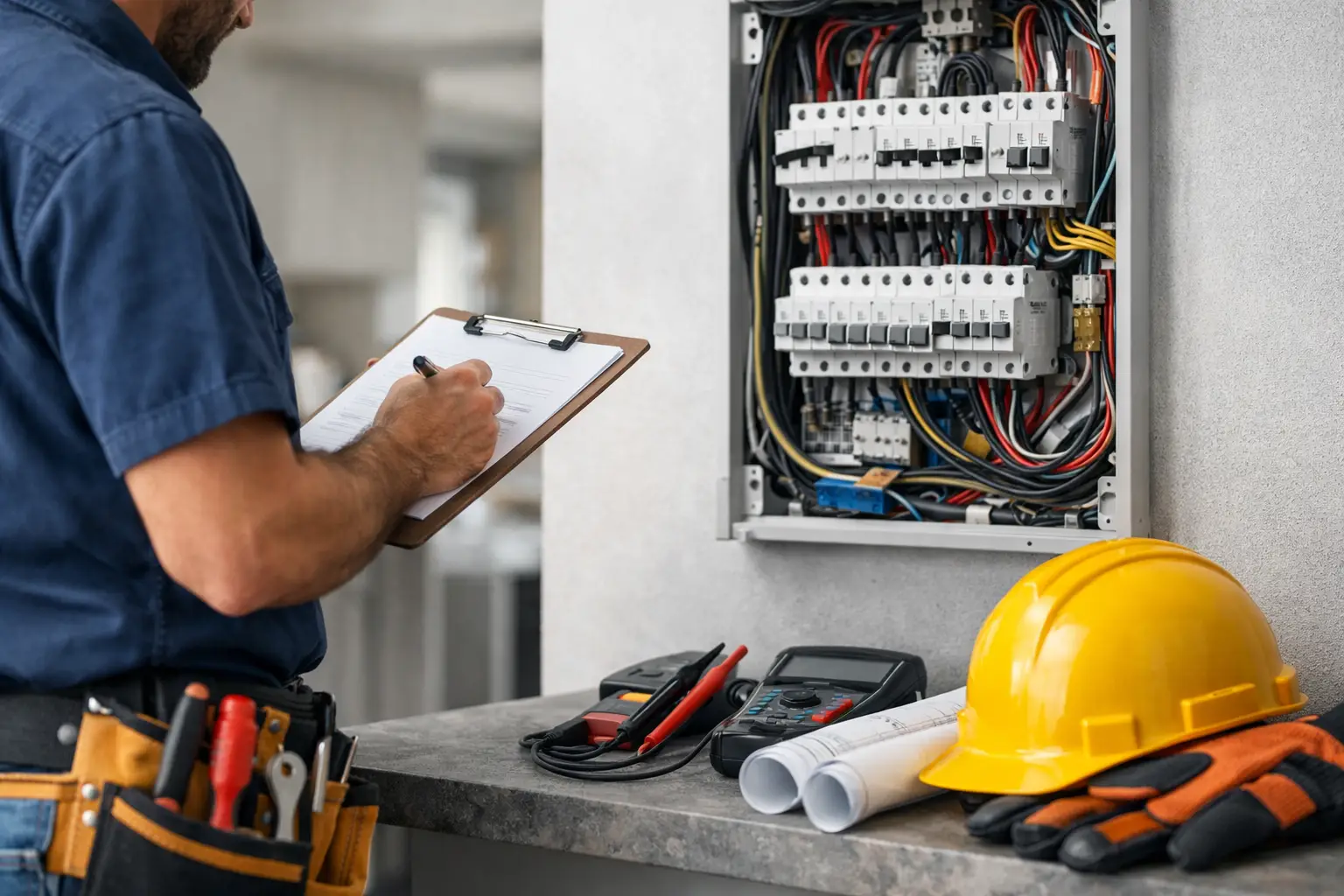
A failed electrical inspection can hold up a remodel, delay a closing, keep a new business space from opening, or force you to uncover finished walls twice. Knowing how to prepare for electrical inspection before the inspector arrives gives you a better chance of getting a clean result without last-minute surprises.
The goal is not to make the work look tidy for one visit. The goal is to make sure the installation is safe, accessible, properly supported, and completed to the requirements that apply to your project. Electrical inspectors look for details because those details protect people and property long after the job is done.
Start With the Scope of Your Permit
Before checking outlets or opening the panel, confirm exactly what work is being inspected. A rough-in inspection happens before insulation and drywall cover the wiring. A final inspection happens after devices, fixtures, covers, and equipment are installed. Service upgrades, generators, EV chargers, pools, hot tubs, and commercial build-outs may also require separate stages or related approvals.
Read the permit paperwork and approved plans if your project has them. The work in the field should match the submitted scope. If the plans show a dedicated circuit for an appliance, a particular panel location, or a disconnecting means, changing it without approval can create a problem even when the work appears functional.
Requirements can vary by jurisdiction, building type, and the edition of the electrical code being enforced. In Bowling Green and surrounding counties, confirm local inspection procedures and scheduling requirements rather than relying on advice from a project completed elsewhere. When in doubt, ask before covering work or calling for inspection.
Make the Electrical Work Easy to Inspect
An inspector needs a clear view of the work. That sounds simple, but blocked panels, covered junction boxes, and unfinished equipment areas are common reasons inspections cannot be completed.
Clear a path to the service panel, subpanels, disconnects, attic access, crawlspace access, and any new electrical equipment. Move boxes, shelving, stored materials, vehicles, and furniture that prevent access. Make sure doors can open fully and that the inspector can safely reach the areas involved in the permit.
Junction boxes must remain accessible. Do not bury a splice behind drywall, above a fixed ceiling, inside a wall, or behind permanently installed cabinets. Every box needs a proper cover, and cables entering boxes need the correct fittings and support. A clean-looking finished wall is not worth hiding a connection that needs to remain serviceable.
For rough-in inspections, leave wiring visible. Do not install insulation, wallboard, or ceiling finishes until the required inspection has passed. For final inspections, install cover plates, panel covers, fixture canopies, and equipment covers. Exposed live parts or missing covers are a safety issue and an easy correction notice.
Check the Panel and Service Equipment
The electrical panel is one of the first places an inspector will evaluate. It should be accessible, correctly installed, and clearly labeled. The working space in front of the panel should not be used for storage, plumbing, shelving, or other equipment.
Open the panel only if you can do so safely and understand what you are looking at. Otherwise, leave internal panel work to a qualified electrician. A visual check from the outside can still catch missing labels, blocked access, damaged covers, or unfinished openings.
Before the inspection, verify these basics:
- The panel directory identifies the circuits clearly enough to be useful.
- Unused panel openings have approved filler plates, not tape or makeshift covers.
- Breakers match the panel manufacturer and are correctly sized for the conductors they protect.
- Grounding and bonding connections are complete for the type of service or equipment installed.
- New high-demand equipment, such as an EV charger or generator, has the required disconnecting and overcurrent protection.
A label that says “miscellaneous” or “lights” is not a useful panel directory. Use descriptions such as “kitchen counter receptacles,” “upstairs bedroom lights,” or “EV charger.” Accurate labeling helps the inspector, the homeowner, and anyone servicing the system later.
Test Devices, Fixtures, and Safety Protection
A final inspection is not the time to find out that half the receptacles on a new circuit do not work. Test the equipment included in the project before scheduling the inspection. Turn lights on and off, operate ceiling fans, test switched receptacles, and confirm hardwired equipment has power.
Pay close attention to GFCI and AFCI protection where required. Kitchens, bathrooms, garages, unfinished basements, outdoor receptacles, laundry areas, and pool or spa equipment often have GFCI requirements. Bedrooms and other living areas may require AFCI protection depending on the circuit, location, and applicable code. The exact requirements depend on the work performed and local enforcement, so do not assume an older setup is automatically acceptable for a new circuit.
Use the test button on GFCI and AFCI devices or breakers, then reset them. If a device will not reset, trips immediately, or leaves downstream outlets dead, address the issue before inspection. Do not bypass a safety device to make a circuit appear operational.
Check that receptacles, switches, and light fixtures are firmly mounted with proper cover plates. Loose devices, cracked boxes, exposed conductors, reversed polarity, and missing grounds can all trigger corrections. Outdoor equipment needs weather-rated boxes and covers appropriate for the location, including covers that protect in-use receptacles where required.
Look Closely at Wiring Methods and Boxes
Good electrical work is more than getting power from point A to point B. Cable and conduit must be supported, protected from damage, and installed with approved connectors. Conductors need enough length in boxes for safe terminations, and boxes must be large enough for the number of wires, devices, clamps, and grounds inside them.
At rough-in, look for cables that are too close to the face of framing where screws or nails could reach them. Where wiring passes through framing in a vulnerable location, steel nail plates may be needed. Cables should not be hanging loosely, pinched, damaged, or routed through areas where future work is likely to harm them.
For conduit work, confirm fittings are tight, raceways are supported, and pull points remain accessible. In commercial spaces, details such as conductor color identification, emergency lighting, exit signs, and equipment disconnects can matter just as much as the branch circuits themselves.
If you added a receptacle in a garage, ran power to a shed, installed a hot tub disconnect, or wired exterior lighting, check the special conditions for that location. Wet locations, underground runs, and recreational equipment have additional rules because the risk is higher.
Do Not Ignore the Rest of the Project
Electrical inspections often connect to other trades. An inspector may need to see equipment clearances, appliance specifications, generator transfer equipment, HVAC disconnects, or the final location of cabinets and countertops. A receptacle that was properly placed during rough-in can become noncompliant if a cabinet or built-in blocks access.
For an EV charger, make sure the charger is mounted, the circuit is complete, the required labeling is in place, and the equipment is ready to operate. For a generator, confirm the transfer equipment, grounding arrangement, fuel-related coordination, and disconnecting means are complete. For pool, hot tub, and sauna work, verify bonding and required clearances before the inspector arrives. These are not areas for guesswork.
Commercial owners should also make sure the suite is safe to enter and that the person meeting the inspector can provide access to locked rooms, electrical closets, ceilings, and equipment. Delays often come from access problems, not just installation problems.
Know When to Bring in an Electrician
Homeowners and property managers can handle preparation tasks such as clearing access, gathering permit documents, checking visible cover plates, and testing basic operation. They should not attempt to correct panel wiring, grounding, service equipment, or complex circuit issues without the right training and tools.
If you see heat damage, burned insulation, aluminum wiring concerns, repeated breaker trips, missing grounds, loose panel components, or exposed wiring, stop and call a professional. The same applies if you are unsure whether the work matches the permit or whether a correction notice has been properly addressed.
M Power Electric LLC helps Bowling Green-area homeowners and businesses prepare electrical work for inspection, correct code-related issues, and complete upgrades the right way. A qualified electrician can spot the details that are easy to miss before they become a failed inspection or a safety hazard.
Schedule the inspection only when the work is truly complete, the site is accessible, and every safety item has been checked. That extra preparation is usually faster and less expensive than a reinspection, and it gives you confidence that the electrical system is ready for the work it needs to do.
Leave a Reply