
When the power goes out, the difference between a minor inconvenience and a serious problem usually comes down to one thing – whether your backup system was chosen and installed the right way. Homeowners shopping for the best whole home generators are not just buying equipment. They are buying heat in winter, air conditioning in summer, working refrigerators, sump pumps, medical equipment support, and a house that stays functional when the grid does not.
That is why this decision should be practical, not rushed. The right generator for one property can be the wrong fit for the next, even if both homes are in the same neighborhood. Square footage matters, but so do fuel type, electrical load, transfer switch setup, appliance priorities, and the condition of the existing service equipment.
What makes the best whole home generators worth it
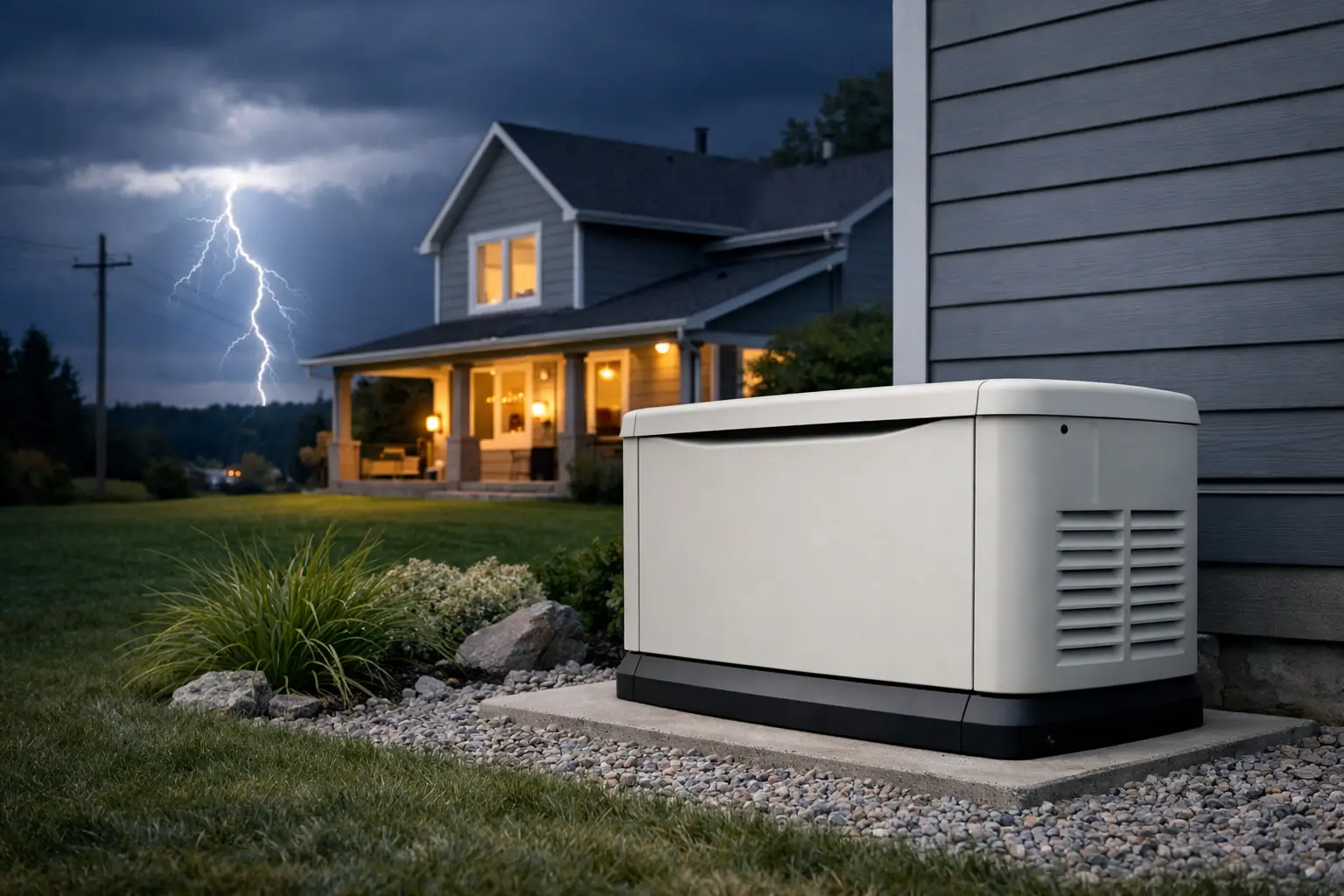
A true whole home generator is built to restore power automatically when the utility supply fails. It is not the same as dragging out a portable unit, running extension cords, and deciding what gets plugged in first. A standby generator is connected to the home, tied into a transfer switch, and designed to start within seconds of an outage.
For many homeowners, that automatic response is the real value. If you are away from home, asleep, or managing a storm-related emergency, you do not want a backup plan that depends on someone going outside in bad weather to get the system running.
The best whole home generators also bring a level of consistency that portable units cannot match. They are designed for repeated outage use, they can power larger loads, and they work as part of a complete electrical system. That matters in homes with well pumps, larger HVAC systems, home offices, attached garages, or finished basements where water control and temperature stability are not optional.
Size matters more than brand hype
Brand name matters, but sizing matters more. A generator that is too small will struggle the moment the house tries to run major loads at the same time. A generator that is oversized may cost more than necessary and still require the same level of installation planning.
The starting point is load calculation. That means looking at what your home actually needs during an outage, not what sounds good on paper. Some households want full-home coverage with little to no compromise. Others are better served by backing up key circuits such as refrigeration, lighting, internet, security systems, sump pumps, and one HVAC unit.
This is where many people get tripped up. They assume the best whole home generators are simply the biggest ones available. In reality, the best setup is the one that matches your electrical demand and your priorities. If your home has electric heat, multiple air conditioning systems, a hot tub, a pool, or heavy shop equipment, your backup power plan should account for that from the beginning.
Common residential generator sizes
Smaller standby units around 10kW to 14kW can work well for essential circuits in modest homes. Mid-range units in the 18kW to 22kW range are often a strong fit for many households that want broader coverage. Larger homes with multiple major appliances and more demanding electrical loads may need 24kW or more.
Those numbers are only part of the story. Motor starting loads, fuel availability, transfer switch capacity, and panel layout all affect what the system can really do.
Fuel type changes the entire conversation
Most whole home generators run on natural gas or liquid propane. Both can be solid choices, but they are not interchangeable from a planning standpoint.
Natural gas is convenient where utility service is already available. It offers a steady fuel supply without on-site refilling, which is a major advantage during longer outages. For many homeowners, that convenience makes natural gas the cleaner choice from a maintenance and logistics standpoint.
Liquid propane is often the better option in areas without natural gas access. It stores well and can support reliable backup power, but tank size and refill planning matter. If outages tend to last longer in your area, propane storage should be sized with that reality in mind.
Diesel comes up less often for residential whole home systems, but it can make sense in some commercial or specialty applications. For most homes, natural gas or propane remains the practical lane.
The transfer switch is not a side detail
People tend to focus on the generator itself and forget the transfer equipment. That is a mistake. The automatic transfer switch is what safely separates your home from the utility during an outage and shifts the electrical load to the generator.
Without the right transfer setup, you do not have a proper standby system. You have a problem waiting to happen.
The transfer switch also affects how much of the home is backed up and how power is managed. Some systems are set up for full-house service. Others are designed to prioritize selected circuits. In some homes, load shedding modules are used so the system can temporarily delay less critical appliances when demand spikes.
That kind of planning is not extra. It is part of building a generator system that performs well under real conditions.
Best whole home generators by buying priorities
If you are trying to sort through options, it helps to think in terms of priorities instead of chasing one universal winner.
If your top concern is whole-house comfort, you want a system sized to carry HVAC, refrigeration, lighting, water heating, and the daily essentials with minimal compromise. If your main concern is protecting the basics during storm season, a smaller system focused on critical loads may be the smarter investment.
If long outages are common, fuel supply and runtime should move to the top of the list. If your home has sensitive electronics or specialized equipment, power quality and system integration deserve more attention. And if your electrical panel is older or maxed out, that may need to be addressed before generator installation makes sense at all.
That is the practical truth about the best whole home generators. The best one is not just a product. It is a properly matched system.
Installation quality decides how reliable the system really is
A high-end generator will not make up for poor installation. Standby systems involve service equipment, load calculations, code compliance, fuel coordination, grounding, placement requirements, and startup testing. If any part of that is handled carelessly, reliability suffers.
This is especially true in older homes. A property may need a panel upgrade, service correction, or circuit reconfiguration before a generator can be installed the right way. Skipping those steps to save time usually creates more expensive problems later.
A professional installation should answer clear questions. What exactly will be backed up? How will the loads be managed? Is the existing electrical system ready? Where will the unit be placed for code compliance, service access, and safe operation? What maintenance schedule will keep it dependable year after year?
That is the level of planning homeowners should expect.
Maintenance is part of ownership
The best whole home generators are not maintenance-free. They are machines, and machines need regular service if you expect them to perform during bad weather.
Routine maintenance typically includes oil and filter changes, battery checks, inspection of connections, software or controller review, and system exercise verification. Fuel system checks matter too. A generator that looks fine from the outside can still fail when it counts if maintenance has been ignored.
The good news is that standby systems are built for dependable operation when they are installed correctly and serviced on schedule. That is one reason many homeowners see them as a long-term protection upgrade, not just a storm purchase.
How to choose without overbuying or underbuying
Start with your real outage priorities. Decide whether you want essential circuit coverage or near full-home operation. From there, look at your major electrical loads, available fuel source, and the condition of your panel and service equipment.
Do not shop by generator rating alone. A 22kW unit may be right for one property and completely wrong for another. The house, not the brochure, should decide the plan.
It also helps to think beyond today. If you are adding an EV charger, finishing a basement, upgrading HVAC equipment, or making other electrical improvements soon, those future loads should be part of the conversation now.
For homeowners in Bowling Green and the surrounding area, that is where working with an experienced electrician matters. M Power Electric LLC understands that backup power is not a gadget purchase. It is an electrical system upgrade that needs to be sized, installed, and tested with safety and long-term reliability in mind.
A whole home generator should give you confidence, not another thing to worry about. Choose the system that fits your house, your power needs, and the way you actually live, and it will do its job when the weather turns bad and the lights go out.