

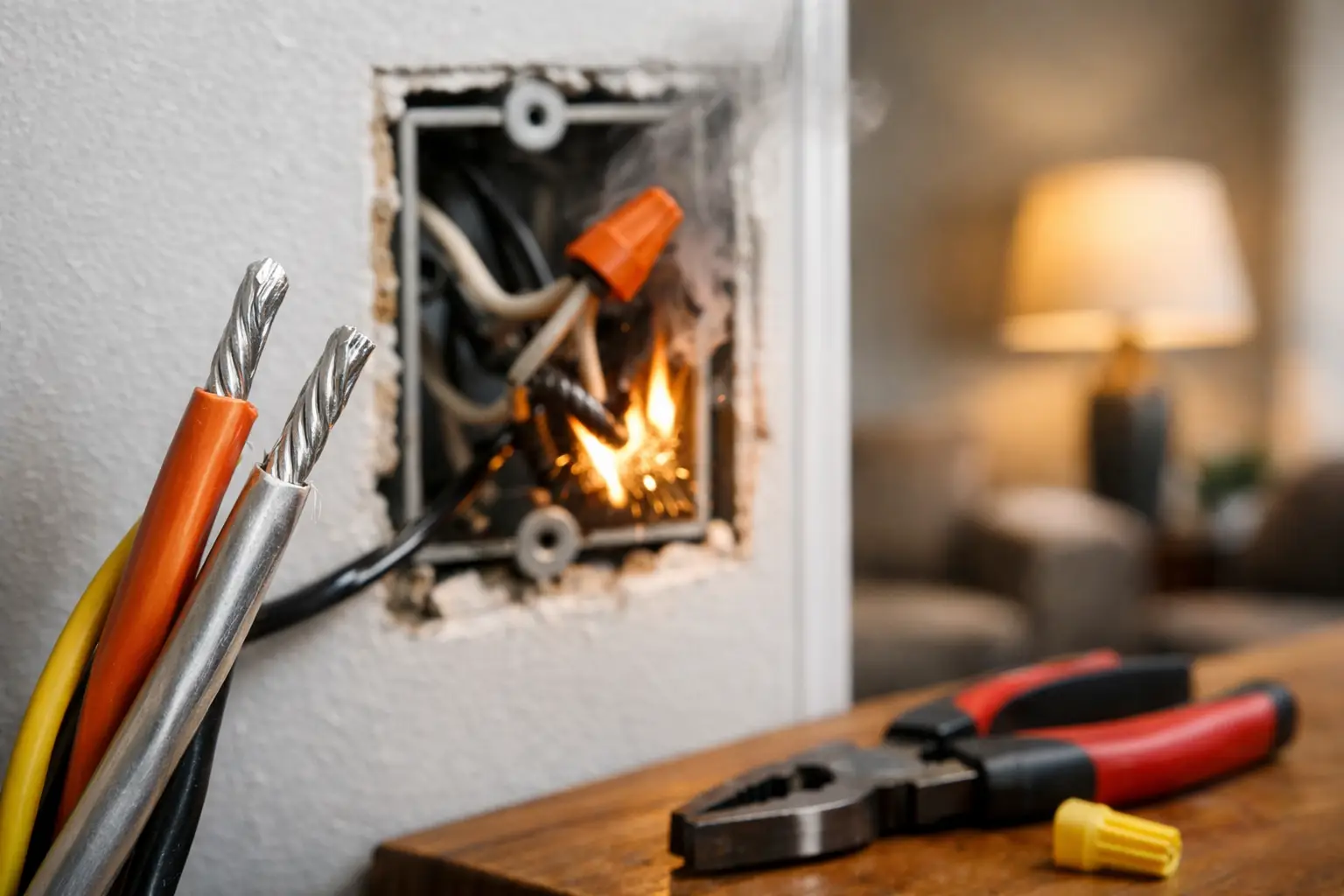
A home can look perfectly maintained and still have a hidden electrical concern behind its walls. If you are asking, are aluminum wires dangerous, the honest answer is: they can be, especially when older aluminum branch-circuit wiring has loose, damaged, or incompatible connections. The wire itself is not automatically a fire hazard. Problems usually develop where that wire connects to outlets, switches, light fixtures, breakers, and splices.
For homeowners, landlords, and property managers in older Bowling Green-area properties, this is not something to guess about. Aluminum wiring deserves a professional inspection so you know whether the system is safe, needs targeted repairs, or should be replaced.
Are Aluminum Wires Dangerous? It Depends on the Installation
Aluminum wiring was commonly installed in many U.S. homes from the mid-1960s through the early 1970s because aluminum cost less than copper. Most concern centers on small-gauge aluminum branch wiring, which supplies outlets, switches, and lighting circuits inside a home.
Aluminum is used safely in many electrical applications today. Large aluminum service conductors, feeder wires, and utility lines are common. When they are properly sized, terminated with listed equipment, and installed by a qualified electrician, aluminum conductors can perform reliably.
Older branch-circuit aluminum wiring is different because the devices and connection methods used at the time did not always account for aluminum’s behavior. A connection that was secure when installed can loosen over years of heating and cooling. That added resistance produces heat, and heat at a connection can damage insulation, scorch a device, or create an arcing hazard.
The risk is not that every home with aluminum wiring will have a fire. The risk is that a homeowner may not know a failing connection is present until there are warning signs or damage. That is why inspection and proper repairs matter.
Why Older Aluminum Wiring Can Develop Problems
Copper and aluminum do not behave exactly the same under electrical load. Aluminum expands more when it heats up and contracts more as it cools. Over thousands of cycles, that movement can contribute to loose terminations if the connection was not designed or installed correctly.
Aluminum also forms an oxide layer when exposed to air. That oxide can increase resistance at a connection. More resistance creates more heat, which can further weaken the connection. This cycle is most likely at heavily used points such as kitchen outlets, bathroom receptacles, switches, ceiling lights, and circuits serving portable heaters or window air conditioners.
Older wiring may also have been connected to standard devices rated only for copper. A receptacle, switch, connector, or breaker lug must be listed for the conductor material being used. Simply tightening a screw or replacing an outlet with a basic new device is not a reliable aluminum-wiring repair.
Work performed by previous owners can add another layer of concern. DIY additions, improperly twisted splices, loose wire nuts, and mixed copper-aluminum connections can all create hot spots that are hidden inside walls and junction boxes.
Warning Signs You Should Not Ignore
A wiring problem does not always announce itself, but certain symptoms call for prompt attention from an electrician. Do not keep resetting a breaker, replacing bulbs, or assuming an old outlet is just worn out if you notice any of the following:
- Warm, discolored, cracked, or buzzing outlets and switches
- Lights that flicker or brighten and dim when appliances run
- A burning odor near an outlet, switch, panel, or fixture
- Breakers that trip repeatedly or fuses that blow without a clear cause
- Outlets or switches that stop working intermittently
- Sparks, popping sounds, or a tingling sensation from electrical equipment
If you smell burning, see smoke, or find an outlet that is hot to the touch, stop using that circuit if it is safe to do so and contact an electrician immediately. If there is an active fire or immediate danger, call emergency services first.
How to Tell Whether Your Home Has Aluminum Wiring
The most dependable answer comes from an electrical inspection. An electrician can examine the panel, accessible wiring, devices, junction boxes, and previous repair work. They can also identify whether the home has aluminum branch circuits, aluminum service conductors, or both.
Homeowners may see markings on cable jackets or conductors that indicate aluminum, but visible labeling alone does not tell the whole story. A house may have partial aluminum wiring, copper wiring added during a remodel, or aluminum wiring that has already been repaired at some locations but not others.
The age of the home can be a clue. Homes built or extensively wired from roughly 1965 through 1973 are more likely to have aluminum branch wiring, although construction dates are not proof. A property inspection report may mention aluminum conductors, but a general home inspection is not a substitute for an electrician evaluating each connection and repair option.
Safe Repair Options for Aluminum Branch Wiring
The right solution depends on the condition of the wiring, the number of circuits involved, accessibility, renovation plans, and the electrical demands of the property. A professional should evaluate the system before recommending a fix.
Complete Copper Rewiring
Replacing old aluminum branch circuits with new copper wiring is the most comprehensive option. It removes the aluminum branch wiring from service and gives the home a clean foundation for upgrades such as new lighting, additional receptacles, kitchen remodeling, EV chargers, and modern appliances.
Rewiring can involve opening walls and ceilings, so it is often most practical during a major renovation or when significant electrical work is already planned. It has a higher upfront cost, but it can be the best long-term choice for a home with widespread aging wiring or multiple electrical concerns.
Approved Aluminum-to-Copper Repairs
In some homes, electricians can use listed connector systems to attach a short copper pigtail to the existing aluminum conductor. The outlet, switch, or fixture then connects to the copper pigtail rather than directly to aluminum.
This is not the same as joining wires with an ordinary connector from a hardware store. The connector, installation method, and device compatibility matter. Certain repair systems are specifically designed and listed for aluminum-to-copper connections, while others are not appropriate for this purpose. Proper torque, conductor preparation, and inspection are part of a safe repair.
Replacing Devices With Properly Rated Equipment
Some devices are rated for use with aluminum wiring, but device replacement alone is not always enough. The condition of every termination still needs to be checked. If a connection has overheated, the conductor or device may require more than a simple replacement.
An electrician can determine whether properly rated devices are suitable for a particular location or whether a listed connector repair or rewiring is the safer path.
What Not to Do With Aluminum Wiring
Do not attempt to repair aluminum wiring by twisting copper and aluminum wires together, adding standard wire nuts, or installing ordinary outlets marked for copper only. Do not apply anti-oxidant compound as a catch-all solution. Those steps do not correct an improperly designed or damaged connection.
Avoid overloading older circuits with space heaters, high-wattage appliances, power strips, or extension cords. This advice applies to any older electrical system, but excessive loads increase heat and can expose weaknesses at aluminum connections.
It is also wise to avoid covering warning signs with a cosmetic fix. Replacing a discolored faceplate does not solve a hot connection behind it. A breaker that trips repeatedly is doing its job by interrupting a possible overload or fault. It needs diagnosis, not a larger breaker.
Plan Electrical Upgrades With the Whole System in Mind
Older homes often need more than one electrical improvement. A property with aluminum branch wiring may also have an undersized panel, limited receptacles, aging breakers, or circuits that were never designed for today’s loads. Adding an EV charger, generator connection, hot tub, sauna, or major kitchen appliance without evaluating capacity can create new problems.
M Power Electric LLC can inspect the wiring you have, explain the condition in plain language, and recommend work that fits the property rather than pushing a one-size-fits-all answer. Sometimes a targeted repair is appropriate. Other times, a panel upgrade and carefully planned rewiring provide the safer value over time.
If your home was built during the aluminum-wiring era, or if you have noticed heat, flickering, tripping breakers, or unreliable outlets, treat it as a reason to get answers. A qualified electrical inspection can turn an unknown behind the wall into a clear plan for a safer home.
Leave a Reply