

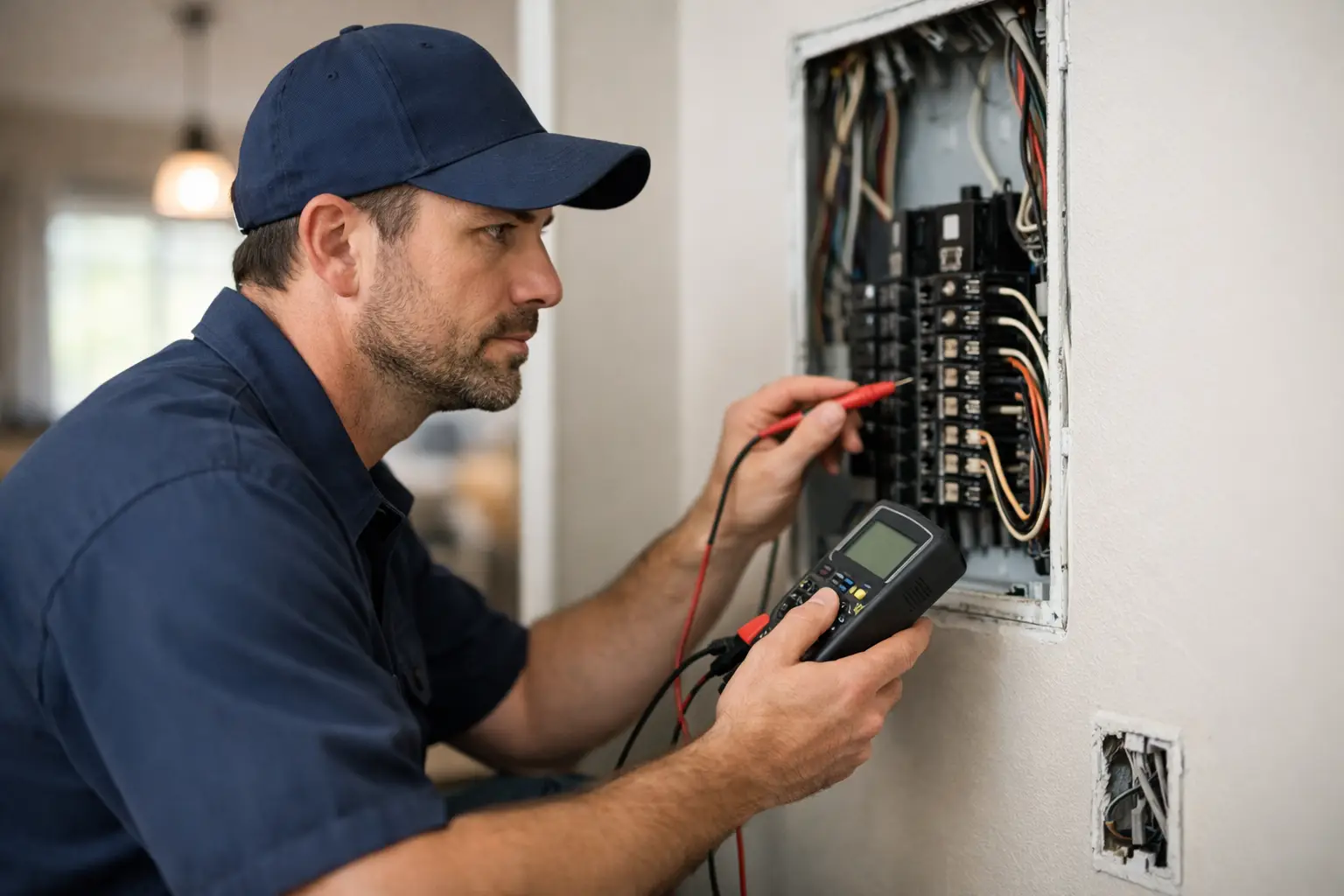
A breaker keeps tripping, one outlet suddenly quits, or the lights flicker every time the microwave starts – that is usually how electrical problems show up at home. You do not need a guess. You need a residential electrical troubleshooting service that can find the real cause, fix it safely, and keep the problem from coming back.
At M Power Electric LLC, that is exactly the job. Troubleshooting is not just replacing a switch and hoping for the best. It is a step-by-step process to locate the fault, check the condition of the circuit, confirm code and safety issues, and make the right repair based on what the home actually needs.
What a residential electrical troubleshooting service really covers
Electrical issues are not always obvious. A dead outlet may be a failed receptacle, but it could also point to a tripped GFCI, a loose connection upstream, a damaged wire, or a breaker problem. A light that blinks may be caused by the fixture, the switch, the circuit load, or even panel-related issues.
That is why troubleshooting matters. A professional service is designed to diagnose the source of the issue before repairs are made. This saves time, reduces repeat service calls, and helps avoid replacing parts that were never the real problem.
In a residential setting, troubleshooting often includes circuits for lighting, switches, outlets, ceiling fans, appliances, garage wiring, exterior lighting, and service panels. It can also involve higher-demand systems like EV chargers, generators, pool equipment, hot tubs, and saunas, where electrical capacity and code compliance matter even more.
Signs you may need residential electrical troubleshooting service
Some problems are clearly urgent. Others build slowly and get ignored until they become larger repairs. If your home is showing any of these signs, it is time to have a trained electrician take a closer look.
Frequent breaker trips are one of the most common examples. A breaker is supposed to trip when a circuit is overloaded or unsafe, but repeated tripping usually means something needs attention. Sometimes the fix is straightforward. Other times, it points to a wiring fault, an aging panel, or a circuit that no longer fits the way the home is being used.
Flickering or dimming lights are another common complaint. If it only happens with one lamp, the issue may be simple. If it affects multiple fixtures or happens when larger equipment turns on, the problem can involve the circuit, connections, or service capacity.
Warm outlets, buzzing sounds, loose switches, burning smells, or outlets that stop working are also warning signs. So are GFCI outlets that keep tripping, light switches that work intermittently, and areas of the home that seem to lose power without a clear reason.
Older homes deserve extra attention. Outdated panels, worn receptacles, aluminum wiring concerns, and years of added electrical loads can create problems that do not show up in a quick visual check.
Why electrical problems are often more complicated than they look
Homeowners usually notice the symptom, not the source. That is normal. The outlet is dead, so the outlet gets the blame. But electrical systems are connected, and the actual fault may be somewhere else on the circuit.
A single issue can have several possible causes. For example, a breaker that trips when a space heater is running could be doing its job because of overload. It could also be revealing a weak breaker, poor connection, or undersized circuit. The right repair depends on what testing shows.
This is where experience matters. A professional and reliable electrician knows how to separate a minor repair from a larger system issue. That can make a big difference in both safety and cost. Sometimes the answer is a quick replacement. Sometimes the smarter move is a panel upgrade or a new dedicated circuit, especially if the home has added modern demands like EV charging or backup power equipment.
What to expect during a troubleshooting visit
A good troubleshooting call is focused and practical. The first step is understanding the problem clearly – when it started, what equipment is involved, whether the issue is constant or intermittent, and whether anything changed before it began.
From there, the electrician inspects the affected devices and the circuit serving them. That may include the panel, breakers, wiring connections, load conditions, and protective devices such as GFCIs or AFCIs. Testing helps confirm whether the issue is with the component itself, the branch circuit, or the service feeding it.
Once the fault is identified, the next step is explaining the repair options in plain terms. Some repairs are immediate and simple, like replacing a failed switch, receptacle, breaker, or damaged fixture connection. Others may require a broader fix, such as correcting unsafe wiring, separating overloaded circuits, or upgrading a panel that no longer supports the home safely.
The important part is accuracy. A residential electrical troubleshooting service should not leave you with more guessing. It should give you a clear answer and a professional path forward.
Common issues found in home electrical troubleshooting
Many residential service calls come back to a handful of root problems. Loose connections are high on the list because they can create intermittent power loss, heat buildup, and nuisance tripping. Worn devices are also common, especially in older homes where outlets and switches have seen years of use.
Overloaded circuits are another frequent issue. Homes that were wired years ago were not built for the same number of electronics, kitchen appliances, chargers, entertainment systems, and comfort equipment used today. Adding a garage freezer, space heaters, or a new microwave to an already busy circuit can push it beyond what it was designed to carry.
Panel issues also show up regularly. Breakers can fail, corrosion can affect connections, and older panels may not provide the reliability or capacity a household needs. If troubleshooting keeps leading back to the panel, repair may solve the immediate problem, but an upgrade may be the better long-term fix.
Then there are specialty installations. Pools, hot tubs, saunas, generators, and EV chargers require safe wiring methods, proper protection, and enough capacity. When these systems are added to a home without the right planning, electrical problems can show up quickly.
When troubleshooting turns into an upgrade
Not every electrical issue can be solved with a basic repair. Sometimes troubleshooting reveals that the home has outgrown part of its electrical system.
That does not mean every problem calls for a major project. It depends on the age of the system, the condition of the equipment, and what the home is being asked to power. A tripping breaker may need replacement. But if the same area is now serving kitchen upgrades, home office equipment, and added appliances, a dedicated circuit may be the smarter answer.
The same goes for service panels. If the panel is outdated, full, or struggling to support new loads, a panel upgrade can improve both reliability and safety. For homeowners planning renovations or modern additions like EV chargers or standby generators, it often makes sense to solve the bigger capacity issue instead of patching around it.
Why professional diagnosis matters
Electrical troubleshooting is not a place for trial and error. Even a problem that seems small can involve energized components, hidden wiring issues, or safety hazards that are not visible from the outside.
A trained electrician brings more than tools. They bring a process. That means checking the right places, interpreting the results correctly, and making repairs that hold up. It also means spotting code concerns before they become bigger problems, especially in areas like bathrooms, kitchens, garages, outdoors, and specialty equipment installations.
For homeowners and property managers, that peace of mind matters. The goal is not just to get the lights back on. The goal is to know the system is working the way it should.
Choosing the right residential electrical troubleshooting service
When you call for electrical help, you want a company that can do more than identify the issue. You want one that can handle the repair, recommend upgrades when needed, and cover the full range of residential electrical work under one roof.
That matters because troubleshooting often connects to a broader need. The service call for a dead outlet may uncover a failing breaker. The flickering lights may point to a panel issue. The new hot tub or EV charger may require added capacity that the current system cannot support safely.
A local company with highly skilled and trained electricians can move from diagnosis to solution without wasting time. That is especially important when the problem affects daily living, tenant satisfaction, or the safe operation of the home.
If your home has flickering lights, dead outlets, recurring breaker trips, or wiring concerns that do not make sense, do not keep working around the problem. Get the right diagnosis, get the right repair, and get your home back to safe, dependable power.