

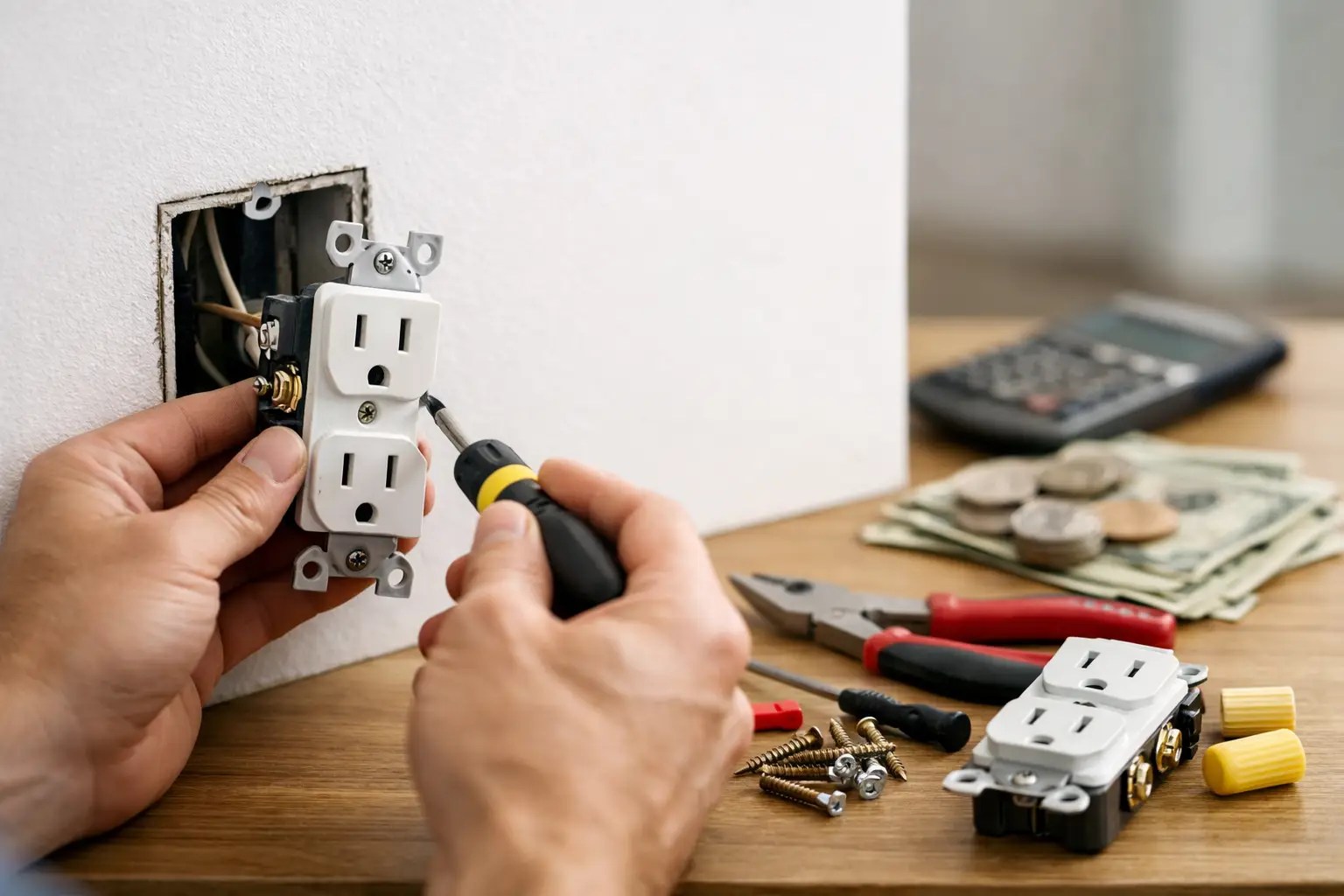
A loose outlet, a dead receptacle, or a plug that keeps falling out usually starts as a small annoyance. Then it turns into a safety issue. If you are trying to pin down outlet replacement cost, the real answer depends on what kind of outlet you have, what shape the wiring is in, and whether the job stays simple once the cover plate comes off.
For most homes and small commercial spaces, replacing a standard outlet is not a major project. But pricing can move fast when the outlet is damaged, wired incorrectly, part of an older electrical system, or needs to be upgraded to a GFCI, tamper-resistant, or heavy-duty commercial device. That is why a straight answer matters more than a guess.
What affects outlet replacement cost
The biggest factor is the type of receptacle being installed. A basic 15-amp duplex outlet costs a lot less to replace than a GFCI outlet in a kitchen, garage, bathroom, or exterior location. A 20-amp outlet, a weather-resistant outlet, or a specialty receptacle for a window unit, appliance, or commercial equipment also changes the price.
Labor matters just as much as the device itself. If the old outlet comes out clean, the wiring is in good condition, and the box is properly sized and grounded, the work is straightforward. If the electrician finds brittle conductors, signs of overheating, a cracked box, reverse polarity, no grounding, or a loose connection in the circuit, the repair can expand beyond simple replacement.
Accessibility also plays a role. An outlet behind furniture in a finished living room is one thing. An outlet in a damp crawl-adjacent area, outdoors, in a masonry wall, or tied into a commercial build-out can take more time. If multiple outlets are being replaced in one visit, the per-outlet labor cost is often more efficient than replacing just one.
Typical price range for outlet replacement cost
In many cases, homeowners can expect outlet replacement cost for a standard receptacle to fall somewhere around $100 to $250 per outlet when professional labor and materials are included. That range is broad on purpose. A simple one-for-one swap on a healthy circuit is usually on the lower end. A replacement that includes troubleshooting, box repair, GFCI protection, or correcting old wiring issues lands higher.
If you are replacing a GFCI outlet, the cost is commonly higher because the device itself costs more and the installation has to be tested correctly. For a GFCI replacement, many jobs fall in the $150 to $300 range, sometimes more if line and load wiring needs correction or the outlet protects other downstream devices.
Commercial pricing can differ from residential pricing. Heavier-use devices, code requirements, and troubleshooting in tenant spaces or older buildings can add labor time. The same goes for outlets connected to dedicated circuits or special equipment.
These numbers are general estimates, not a flat quote. The only way to know what your job will cost is to have the outlet and surrounding wiring looked at by a qualified electrician.
Why one outlet can cost more than another
People often assume every receptacle is the same. On the surface, they look similar. In practice, one outlet may be carrying everyday bedroom loads while another sits near water, serves a garage freezer, or supports a busy commercial workspace.
A bathroom or kitchen receptacle often requires GFCI protection. Children’s areas and most newer residential installations require tamper-resistant outlets. Outdoor locations may need weather-resistant devices and proper covers. In older homes, replacement may expose missing grounds, worn insulation, or boxes that no longer meet current expectations for secure installation.
That is where outlet replacement cost stops being about the faceplate and starts being about the condition of the electrical system behind it.
Signs your outlet needs replacement
Some outlets fail in obvious ways. Others give you warnings before they become a bigger problem. If plugs slip out easily, the internal contacts may be worn. If the outlet feels warm, shows discoloration, or has a burnt smell, stop using it and have it checked. If part of the outlet works and part does not, or if resetting a breaker does not restore power, there may be a wiring issue, not just a bad device.
Cracked receptacles, buzzing sounds, sparking, and repeated tripping are also signs that replacement or troubleshooting is needed. In rental properties and commercial spaces, loose or damaged outlets should be handled quickly. Small electrical problems have a way of turning into expensive ones when they are ignored.
When replacement is simple and when it is not
A simple replacement means the existing box is sound, the wiring is intact, the circuit is correctly sized, and the electrician is installing the same style of device or a straightforward upgrade. That kind of job is usually quick.
The job gets more involved when the outlet is part of a larger problem. Maybe the circuit has an open neutral. Maybe the device was backstabbed years ago and the connection has started failing. Maybe aluminum wiring is present and requires the right repair method. Maybe the outlet is in a location that should have GFCI protection and does not. Once those issues show up, the cost reflects the actual repair needed to make the installation safe.
That is not upselling. That is what proper electrical work looks like.
Outlet replacement cost vs. full outlet upgrade
Sometimes the right move is not just replacing a broken outlet. It is upgrading several outlets in the same area to match how the space is being used now.
For example, an older home may still have two-prong outlets, worn receptacles, or missing GFCI protection in kitchens, bathrooms, garages, and outdoor areas. A landlord may want multiple outlets changed between tenants to improve safety and reliability. A small business may need commercial-grade devices in place of worn residential ones.
If several outlets need work at once, the total invoice will be higher, but the cost per device often makes more sense than scheduling separate calls over time. It also gives the electrician a chance to catch circuit issues early, before they lead to outage problems or equipment damage.
Can you save money by doing it yourself?
A lot of people look at a receptacle and think it is an easy DIY project. Physically, replacing an outlet may not look complicated. Safely diagnosing the circuit, confirming proper grounding and polarity, identifying hidden damage, and making sure the installation meets code is where experience matters.
The risk is not just getting shocked. The bigger concern is creating a loose connection, miswiring the device, or covering up a heat-damaged conductor that later causes failure. That is especially true in older homes, remodeled spaces, and commercial properties where past work may not have been done correctly.
If the outlet is dead, hot to the touch, cracked, sparking, or located in an area that should have special protection, it makes sense to call a licensed electrician instead of guessing.
How to keep outlet costs under control
The best way to manage outlet replacement cost is to deal with problems early. Replacing one loose or worn outlet is usually cheaper than waiting until the wiring overheats or the issue spreads to other devices on the circuit. If you already know several outlets are loose, outdated, or unreliable, ask about handling them in the same service visit.
It also helps to be clear about what you are seeing. Tell the electrician whether the outlet is dead, intermittent, warm, sparking, or tied to a tripping breaker. That information helps narrow down whether the job is likely a simple replacement or a larger repair.
For property owners in Bowling Green and nearby areas, working with a contractor who handles both routine receptacle replacement and more technical electrical repairs matters. A bad outlet is sometimes just a bad outlet. Other times it is the symptom of a circuit problem that needs a skilled set of eyes. That is where a company like M Power Electric LLC brings real value.
What to expect from a professional outlet replacement
A proper outlet replacement should include more than swapping parts. The device should be removed and inspected, the wiring checked for condition and correct connection, and the finished outlet tested for function and safety. If the location requires GFCI or tamper-resistant protection, that should be addressed. If the box, grounding, or circuit condition is not right, you should be told plainly.
That kind of straightforward service saves time and prevents repeat problems. It also gives you a better answer on pricing, because the quote is based on the real condition of the outlet instead of guesswork.
If you are dealing with a worn, dead, or unsafe receptacle, the smartest move is to treat it like the electrical issue it is. A quick repair done right is usually cheaper than waiting for a bigger one.