
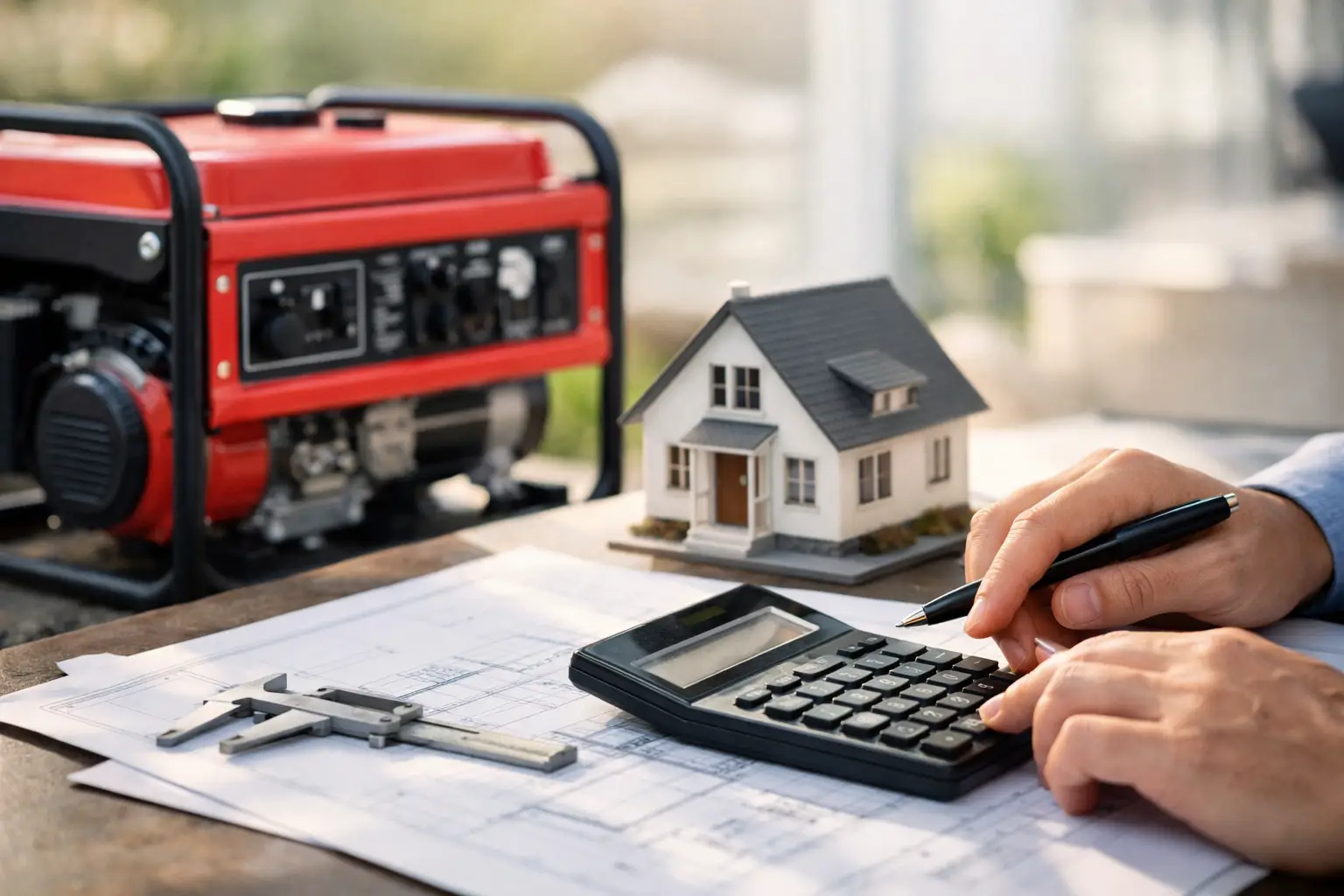
Power usually goes out at the worst possible time – during a storm, on a freezing night, or when your business cannot afford downtime. If you are wondering how to choose the right generator size, the goal is not to buy the biggest unit you can afford. The goal is to install a generator that can safely handle the loads you actually need without overspending, overloading the system, or creating installation problems.
That decision matters more than most people think. A generator that is too small will trip, struggle on startup, or leave out key equipment. A generator that is too large can cost more upfront, use more fuel than necessary, and may not be the best fit for your electrical setup. The right size comes down to your real power demand, how your equipment starts, and what you need to keep running during an outage.
How to choose the right generator size for your property
The first step is simple: decide what absolutely has to stay on. For a home, that often means refrigeration, some lighting, internet equipment, a sump pump, HVAC components, medical devices, well pumps, and a few kitchen circuits. For a small business, it may include point-of-sale systems, network gear, emergency lighting, refrigerators or freezers, office equipment, and select HVAC loads.
This is where people usually make one of two mistakes. They either underestimate what they need and end up with a generator that cannot handle real-life use, or they try to back up the entire building when only a portion is critical. Most of the time, a focused plan works better than guessing high or low.
A good way to think about it is by tiers. Your first tier is must-have equipment. Your second tier is comfort and convenience. Your third tier is everything else. Once you separate loads that way, sizing becomes much more practical.
Running watts vs startup watts
Not all electrical loads behave the same way. Some appliances and equipment draw a steady amount of power once they are operating. Others need a much larger surge when they first start. That startup demand is often what causes generator sizing problems.
Motors are the big example. Air conditioners, refrigerators, freezers, well pumps, sump pumps, and some commercial equipment can pull significantly more wattage at startup than while running. If you size a generator only around running watts, it may seem fine on paper but still fail when multiple motor-driven loads try to kick on.
That is why generator sizing should account for both the continuous load and the largest startup loads. Sometimes this can be managed through load shedding or staggering what comes on first. Sometimes it means stepping up to a larger unit.
Start with your actual electrical loads
The cleanest way to size a generator is to review the loads on the circuits or equipment you want backed up. This is better than relying on rough online estimates because actual homes and buildings vary quite a bit. Two houses with the same square footage can have very different power needs depending on heating type, water heating, kitchen equipment, well pumps, and newer additions like EV chargers or hot tubs.
For homeowners, the main question is whether you want partial-home backup or whole-home backup. Partial-home backup is common and cost-effective. It covers essential circuits and leaves out heavy, noncritical loads. Whole-home backup can make sense, but only if your service capacity, transfer equipment, fuel source, and budget all support it.
For business owners and property managers, the question is more operational. What has to stay powered to prevent losses, safety issues, or a full shutdown? In some buildings, backing up lighting and network equipment is enough. In others, refrigeration, ventilation, or process equipment changes the size requirement quickly.
Common loads that affect generator size
HVAC is often one of the biggest variables. An electric furnace or large central air system can push generator requirements up fast. Well pumps do the same. Electric water heaters, dryers, ovens, and cooktops also add substantial load if you plan to run them during an outage.
Newer upgrades matter too. If your property now includes an EV charger, pool equipment, a hot tub, or sauna components, those loads should be reviewed carefully. Some of them may not need to be on backup power, but if they are included in the plan, generator size and electrical design both need to reflect that.
Why the electrical panel and transfer setup matter
Generator size is not just about the generator. It is also about how backup power connects to your electrical system. A properly sized unit still needs the right transfer switch, load management strategy, and panel coordination to work safely and legally.
If your panel is outdated, undersized, or already near capacity, that can affect what is realistic. In some cases, the best solution is not simply adding a bigger generator. It may involve a panel upgrade, a dedicated emergency subpanel, or load shedding controls that prioritize key circuits when demand spikes.
This is one reason generator projects should never be treated like an appliance purchase. The generator, the transfer equipment, the service layout, and the protected loads all have to work together. Safe installation and code compliance are part of sizing the system correctly.
Fuel type changes the conversation
Fuel source also plays a role in how to choose the right generator size. Natural gas, propane, and diesel systems each come with trade-offs.
Natural gas is convenient for many standby systems because there is no need to refuel during an outage, but available gas pressure and meter capacity still need to be confirmed. Propane is a strong option in many areas, especially where natural gas is not available, though tank size and refill planning matter. Diesel is more common in some commercial applications where durability and higher-output backup are priorities.
The practical point is this: generator output can vary based on fuel type and site conditions. A unit that looks right in a brochure still has to be evaluated for how it will perform at your property.
Oversizing and undersizing both create problems
A lot of customers assume bigger is safer. Sometimes it is, but not always. An oversized generator costs more to purchase and install, and it may require larger supporting equipment than you actually need. If your goal is dependable backup power for critical loads, excess capacity is not automatically better value.
Undersizing is the more immediate problem. That is where nuisance trips, poor performance, and failed startups show up. During a real outage, that is not just frustrating. It can leave you without refrigeration, heating, cooling, pumping, or business continuity.
The best result usually comes from a careful load calculation, not guesswork. That gives you enough capacity for real operating conditions while keeping the project grounded in what the property actually needs.
When a portable generator makes sense and when it does not
Portable generators have their place. They can work well for temporary, limited backup if you only need a few essentials and understand the operating limits. But they are not a substitute for a professionally installed standby system when your home or business needs automatic, dependable coverage.
If you are managing a property with a sump pump, medical equipment, refrigeration, server equipment, or sensitive business operations, portable power often falls short. Manual setup, fuel handling, weather exposure, and limited circuit coverage become real drawbacks very quickly.
Standby generators cost more upfront, but they are built for exactly the situations where reliability matters most.
The smartest way to choose the right generator size
The smartest path is to have the property evaluated based on the loads you want covered, the panel and transfer setup, and the way the building is actually used. That gives you a sizing recommendation tied to your equipment, not a generic estimate.
At M Power Electric LLC, that is how we approach generator work – professionally, safely, and with the full electrical system in mind. Whether you are protecting a home, rental property, or small commercial space, the right generator size should fit your needs today without boxing you in tomorrow.
If you are planning backup power, think beyond the generator itself. Think about what needs to stay on, what can stay off, and what it takes to make the whole system work the right way. A little planning upfront usually saves a lot of frustration when the lights go out.