

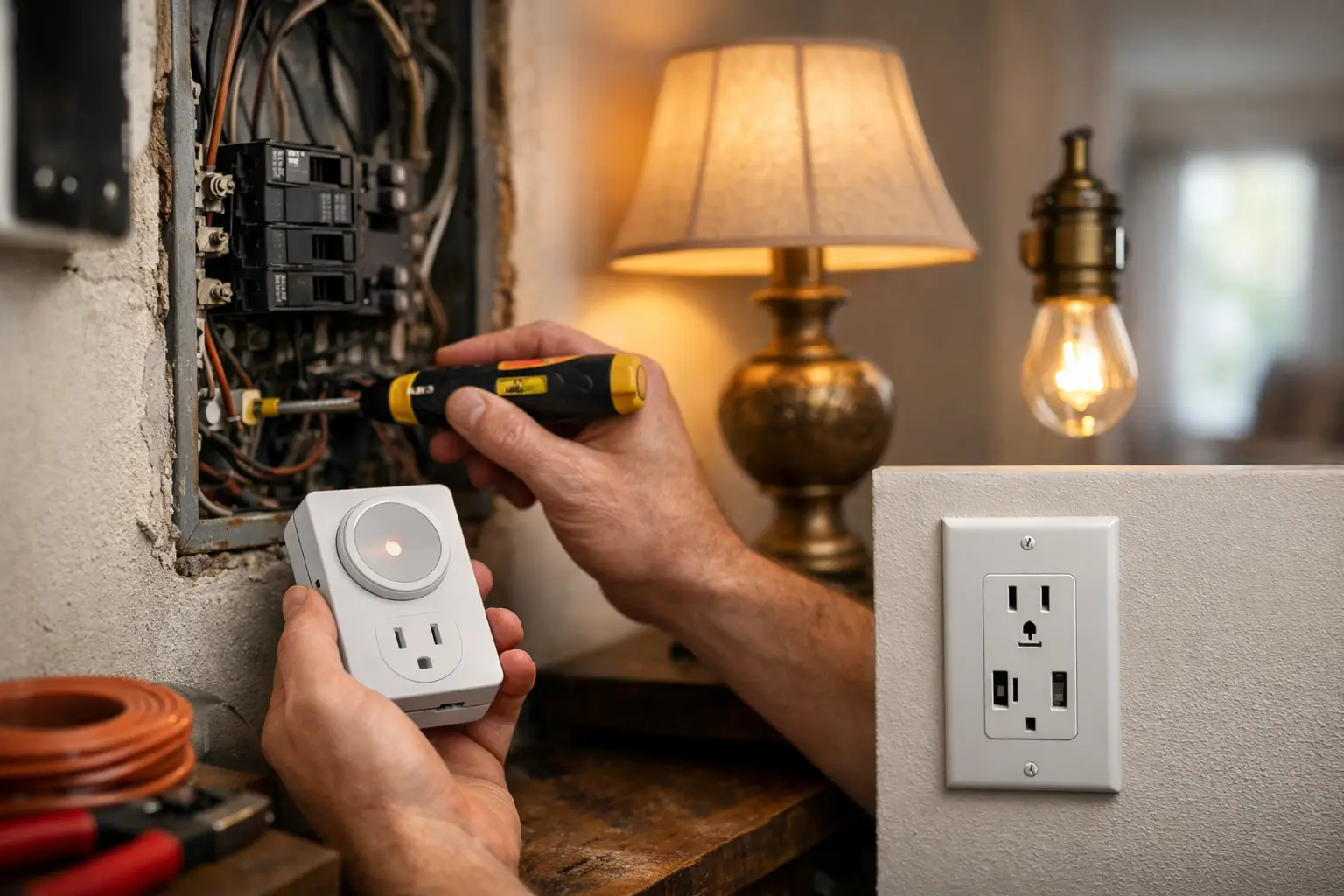
A beautiful older home can hide an electrical system that was never designed for central air, large TVs, home offices, electric vehicles, or modern kitchen appliances. The best electrical upgrades older homes can receive do more than add convenience. They address fire risks, improve everyday reliability, and give your property enough capacity for the way you live now.
If your lights dim when the microwave starts, breakers trip regularly, outlets are scarce, or you still rely on extension cords in key rooms, it is time for a professional evaluation. Electrical work is not a place for guesswork, especially in homes with aging wiring, old panels, or unknown past repairs.
Start With an Electrical Safety Inspection
Before choosing upgrades, find out what is already behind the walls. A qualified electrician can inspect the service panel, wiring methods, grounding, outlets, switches, visible connections, and major loads in the home. This is particularly valuable for homes that have changed hands several times or been renovated in stages.
Older Bowling Green homes may have a mix of original and newer electrical work. One room may have modern grounded receptacles while another has two-slot outlets. A previous owner may have added circuits correctly, or may have taken shortcuts that need to be corrected. An inspection helps separate a simple upgrade plan from a safety issue that should be handled right away.
Warning signs worth checking include warm outlets or switches, buzzing sounds, flickering lights, discolored cover plates, frequent breaker trips, a burning odor, and breakers that will not reset. Do not keep resetting a breaker that trips repeatedly. It is doing its job by interrupting a problem.
Upgrade an Outdated Electrical Panel
For many properties, a panel upgrade is the foundation of the best electrical upgrades for older homes. The panel is the traffic controller for every circuit in the building. When it is undersized, damaged, obsolete, or full of overcrowded breakers, adding new equipment becomes difficult and potentially unsafe.
A home with a 60-amp or 100-amp service may not have enough room for modern demands, depending on its square footage and equipment. A service upgrade can provide capacity for appliances, HVAC equipment, a garage workshop, an EV charger, a hot tub, or future additions. It also gives the electrician room to organize circuits correctly and label them clearly.
Not every older house automatically needs a 200-amp service. The right size depends on a load calculation, the home’s existing equipment, and what you plan to add. A smaller home with gas heat and gas appliances has different needs than a fully electric home with a charger and a finished basement. The goal is enough safe capacity, not an oversized installation for its own sake.
Some legacy panel brands and fuse-based systems also deserve special attention. A professional can identify whether your equipment is suitable for continued service or whether replacement should be a priority.
Replace Unsafe or Aging Wiring
An old home does not always need complete rewiring. That depends on the wiring type, its condition, how it was installed, and whether it can safely support the circuits it serves. Still, aging wiring is one of the most important issues to evaluate before a major remodel or a high-demand appliance installation.
Knob-and-tube wiring, deteriorated cloth-insulated wiring, damaged aluminum branch wiring, and exposed splices can create serious concerns. Insulation can break down over time, and older wiring may lack the grounding protection modern electronics and appliances expect. Attics, crawlspaces, basements, and areas opened during remodeling often reveal conditions that were not visible from living spaces.
A targeted rewiring project can be a smart option when only certain rooms need attention. Kitchens, bathrooms, laundry rooms, garages, and additions often benefit most because they carry heavier loads and have stricter protection requirements. A whole-home rewire may make better sense when the wiring is broadly deteriorated or when walls are already open for renovation.
Add Grounded Outlets and Modern Protection
Two-prong outlets are a clear sign that a home may lack equipment grounding at that location. Replacing the faceplate with a three-prong outlet does not create a ground. The circuit needs to be evaluated and upgraded correctly.
Modern homes also rely on ground-fault circuit interrupter protection, commonly called GFCI protection, in areas where water and electricity can meet. Bathrooms, kitchens, garages, laundry areas, unfinished basements, exterior locations, and pool or spa equipment may require this protection. GFCIs are designed to shut off power quickly when they detect a ground fault.
Arc-fault circuit interrupter protection, or AFCI protection, is another upgrade that can help reduce fire risk from arcing faults in certain living areas. Requirements vary based on the scope of work and local code enforcement, but these devices are often part of a proper renovation or panel upgrade.
This is also the right time to add outlets where you actually need them. Fewer extension cords means fewer trip hazards, less strain on old receptacles, and a cleaner setup for bedrooms, offices, living rooms, and workshops.
Put Kitchen, Laundry, and Bath Circuits Where They Belong
Older homes were built before countertop appliances, air fryers, espresso machines, high-capacity dryers, and modern bathroom tools became everyday equipment. A single overloaded circuit serving several rooms is common in older construction and is not a good long-term plan.
Dedicated circuits give high-demand equipment the power it needs without competing with lights and receptacles elsewhere. Common examples include electric ranges, dishwashers, disposals, microwaves, refrigerators, washing machines, dryers, and sump pumps. The exact circuit arrangement depends on the appliance ratings and the home’s layout.
During a kitchen or bathroom remodel, electrical upgrades should be planned early. Once cabinets, tile, and finished walls are in place, adding the right circuits costs more and creates more disruption. A little planning before the work starts protects both the project schedule and the finished look.
Plan for EV Charging and Backup Power
An electric vehicle charger is not simply another plug in the garage. Level 2 charging equipment typically requires a properly sized dedicated circuit, and the panel must have enough available capacity to support it. Load management may be an option in some homes, but it needs to be designed and installed correctly.
A generator is another practical upgrade for Kentucky homeowners who want more security during outages. The right setup can power selected essentials, such as refrigeration, lighting, internet equipment, a sump pump, or heating equipment. A whole-home generator can support more, but it requires a careful load plan and the right transfer equipment to keep utility power and generator power safely separated.
Both projects should be considered alongside a panel upgrade. Installing a charger or generator without looking at the home’s overall electrical capacity can create expensive limitations later.
Improve Lighting Without Overloading Existing Circuits
Lighting upgrades can make an older home feel safer, brighter, and more usable without changing its character. Recessed lighting, under-cabinet lighting, exterior security lights, ceiling fans, dimmers, and properly placed porch fixtures all improve daily function.
The wiring behind the fixture matters as much as the fixture itself. Older ceiling boxes may not be rated to support a ceiling fan. Outdoor fixtures need weather-appropriate boxes and connections. Dimmer switches must be compatible with the lamp type and fixture load. A professional installation prevents loose connections, flickering, and nuisance tripping.
For exterior areas, well-placed lighting around driveways, steps, entrances, decks, pools, and outbuildings can reduce hazards after dark. Motion sensors and photocells add convenience, but they should be installed with dependable wiring and properly protected circuits.
Do Not Forget Surge Protection and Specialty Equipment
Whole-home surge protection is a practical addition when upgrading a panel. It helps protect sensitive electronics and appliances from voltage spikes caused by utility events, lightning activity, or large equipment cycling inside the home. It does not replace point-of-use surge strips for valuable electronics, but it adds a strong first layer of protection.
Homes with hot tubs, pools, saunas, detached garages, and workshops need added care. These areas often involve water exposure, high loads, outdoor equipment, or long circuit runs. They should not be handled as a basic outlet addition. Proper bonding, grounding, GFCI protection, disconnects, and equipment-specific circuit sizing are critical.
Landlords should also consider these upgrades as preventive maintenance. Reliable electrical systems protect tenants, reduce emergency calls, and make a rental property easier to maintain over time.
Choose Upgrades Based on Risk and Future Plans
The right order is usually straightforward: correct active hazards first, address panel or service limitations next, then add circuits and improvements that support your plans. If you are remodeling next year, buying an EV, adding a hot tub, or finishing a basement, say so before the electrical work begins. Planning for those loads now can prevent duplicate work later.
M Power Electric LLC helps homeowners and property owners in Bowling Green and surrounding counties make practical electrical decisions, from troubleshooting a single problem to completing major upgrades. A clear assessment, honest scope of work, and skilled installation are what an older home needs.
Your home does not have to lose its original character to gain modern electrical safety and capacity. Start with the system you have, fix what needs attention, and build a plan that gives you dependable power for the years ahead.
Leave a Reply